Social trends in tourism
Author: The Union, Grace Feakes, Account Executive
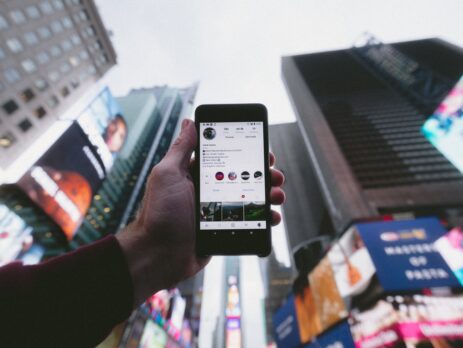
Over the past year, we have witnessed widespread acceleration of digital adoption. People of all ages have turned to online platforms for reasons beyond simply the pursuit of entertainment. With school, work, hobbies, and retail migrating to the digital space, it is unsurprising that time spent in front of screens has increased significantly for all generational groups. But what does this mean for the tourism industry? And how might this affect your social media strategy in 2021?
Keep it consumer-centric
While consumers across all generations have seen an uptick in how much time they spend in front of screens, hyper-personalisation has meant that no one person’s online experience is quite the same as another’s. Nor is their consumer journey.
With so much change in a short space of time, it’s easy to feel overwhelmed by the potential directions your digital marketing strategy can head in. Begin first by revisiting your current customer journey. Take a hard look at your touchpoints and ensure each stage of the consumer journey engages your audience profiles.
Understand how your audience has adapted in lieu of unprecedented changes. Spending loyalties will be cemented (or potentially lost to others) based on how well companies understand customers’ new priorities that were forged by uncertainty, fear, or loss over the course of the pandemic.
The tourism board representing Stonehenge recognised that people far and wide still had an appetite to enjoy this dawn break of this landmark despite the lockdown. Instead of holding a physical event, they took things virtual to celebrate the summer solstice, which was free and accessible to anyone with Wi-Fi. 3.6 million people tuned in to watch.

Explore your existing channels
Be weary of neglecting existing channels in pursuit of the next big platform. Many social media channels that had strong followership pre-Covid such as Facebook and Instagram have gained new followers, introduced new features, and, as a result, present new opportunities for users and brands alike.
Facebook was predominantly known for community and conversation; it offers opportunities for brands to share more engaging content, such as 360 videos and live streaming. While on the face of it, TikTok is the go-to place for user generated content, Instagram stories, stickers and polls offer similar user experience and a broader, more diverse audience reach.
Learn by doing
No brands have it fully figured out. This is our chance to experiment, test, learn and adapt. While content with a longer expiry date should favour quality, channels like Facebook and Instagram present an opportunity for brands to post more fleeting, less touched content, through the use of stories, polls and user-generated content.
As such, using features which deliver shorter, less polished and short-lived content allows opportunity for brands to experiment and creates a more intimate, genuine connection between the audience and the brand.
Pay attention to your industry
The rise in domestic travel, newfound appreciation for local outdoor spaces, and the development of transformational tourism all offer opportunities for Scotland to become a desirable destination for sustainable travel.
In April 2020, a UK government survey found just 9% of Brits wanted life to completely return to ‘normal’ following the first lockdown. People began to notice cleaner air, more wildlife, stronger communities and valued food more – and liked it. This mindset shift offers a catalyst for change toward transformational tourism – where buying practices are driven by a commitment to making purchasing decisions that have positive social, economic, and environmental impact.
As such, you should keep this front of mind when communicating with audiences online.
If you’re looking for help upping your social game, get in touch with The Union and we’ll be happy to chat all things social.