Industry Research: Benholm Group x PLP Labs Study – Reap What You Sow study: Highlights for Hospitality & Tourism Industry
Sowing Success Beyond the Office
In the ever-evolving landscape of workplace design, Benholm Group and PLP Labs have unveiled a groundbreaking study, “Reap What You Sow,” shedding light not only on the positive impact of biophilic design in the workplace but also on its potential translation into various sectors, including the vibrant world of hospitality and tourism.
Cultivating Green Spaces: A Lesson from the Office to the Hotel
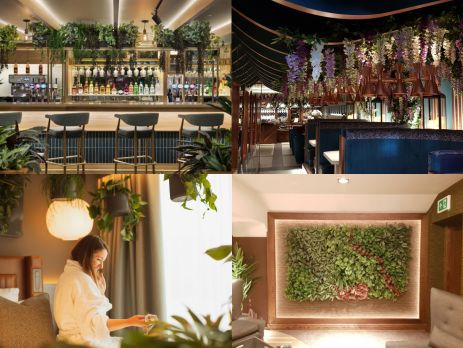
As the workplace becomes a testing ground for the benefits of biophilic design, the hospitality and tourism industry stands to reap its own set of rewards. Imagine entering a hotel lobby adorned with lush greenery, natural light streaming through expansive windows, and a calming atmosphere that invites guests to relax and unwind. The principles established in the “Reap What You Sow” study can seamlessly translate into hospitality and tourism spaces, transforming them into havens of comfort and rejuvenation.
The Power of First Impressions
Just as a well-designed office space can boost employee productivity, a thoughtfully crafted biophilic environment in the hospitality and tourism sector can create memorable first impressions. A hotel’s ambiance, characterised by the incorporation of natural elements, can significantly impact guest satisfaction and loyalty. The visual appeal of biophilic design can set the tone for a positive and immersive experience from the moment guests step through the door.
Enhancing Guest Well-being
Hospitality and tourism is not just about providing a place to stay; it’s about crafting an experience. Biophilic design, with its emphasis on nature-inspired elements, has the potential to enhance guest well-being. From calming greenery to soothing natural light, these elements can contribute to a sense of tranquillity, making guests feel more at ease during their stay.
Boosting Revenue and Guest Loyalty
Just as the study reveals financial benefits in the workplace, the hospitality and tourism sector can reap similar rewards. Increased guest satisfaction, positive reviews, and enhanced well-being contribute to a rise in repeat business and positive word-of-mouth referrals. A well-designed biophilic space not only attracts guests but also encourages them to extend their stay, order more services, and ultimately boosts revenue for the hospitality establishment.
Bringing the Outdoors In: Restaurants and Dining Spaces
Beyond hotel’s reception area and bedrooms, the study’s insights can be applied to its restaurants and dining spaces. Imagine enjoying a meal in a restaurant surrounded by greenery, natural textures, and an ambiance that fosters a connection with nature. Biophilic design in dining establishments can elevate the overall dining experience, making it more enjoyable and memorable for customers.
A Blueprint for Success: Applying Biophilic Design Principles
Incorporating biophilic design principles into the hospitality and tourism sector requires thoughtful planning and creative execution. Designers and hoteliers can draw inspiration from the study’s findings to create spaces that prioritise both aesthetics and functionality. From hotel rooms to receptions, spas to dining areas, the possibilities are vast for infusing nature into every corner of the hospitality experience.
Benholm Group and PLP Labs’ “Reap What You Sow” study not only enriches our understanding of biophilic design but also serves as a blueprint for success in diverse sectors, including hospitality and tourism. As we witness the transformation of office spaces, the potential to create immersive and nature-inspired environments in hotels, restaurants, and other hospitality and tourism settings is an exciting prospect that promises both guest satisfaction and financial prosperity.
For more information on the study and to explore the results in full, visit benholm.com/downloads/reap-what-you-sow-by-plp-labs.
Watch highlights from ‘Reap What You Sow LIVE’ here.